
warranty policy for your Pcb assembly manufacturer
Understanding the warranty policy of a PCB assembly manufacturer is crucial for clients seeking assurance of product quality, reliability, and support. A robust warranty policy not only instills confidence in customers but also underscores the manufacturer’s commitment to standing behind their products and services. Let’s delve into the key aspects of warranty policies offered by PCB assembly manufacturers and their significance in the electronics manufacturing industry.
First and foremost, a comprehensive warranty policy outlines the terms and conditions governing product warranties, including coverage duration, scope, and limitations. Typically, warranty periods for PCB assemblies can vary depending on factors such as product complexity, intended application, and industry standards. Manufacturers may offer standard warranties ranging from 6 months to several years, with options for extended warranties for additional peace of mind.
The scope of warranty coverage delineates the specific components or aspects of the pcb assembly manufacturer covered under the warranty. This may include defects in materials, workmanship, or performance issues arising from normal use within the warranty period. Manufacturers often specify exclusions such as damage caused by mishandling, improper installation, or environmental factors beyond their control.
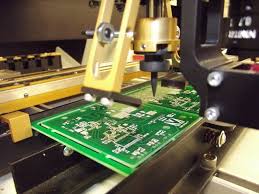
What is the warranty policy for your Pcb assembly manufacturer?
Furthermore, warranty policies may incorporate provisions for repair, replacement, or refund in the event of a covered defect or non-conformance. Manufacturers typically outline the process for initiating warranty claims, including requirements for proof of purchase, product registration, and return authorization. Clear communication of warranty claim procedures ensures a seamless experience for customers seeking resolution for any issues encountered with their PCB assemblies.
Importantly, warranty policies may also include provisions for technical support and customer service throughout the warranty period. Manufacturers may offer assistance with troubleshooting, product inquiries, and technical consultations to address customer concerns promptly and effectively. Access to knowledgeable support personnel can enhance the overall customer experience and foster long-term satisfaction and loyalty.
Additionally, warranty policies may contain limitations and disclaimers to mitigate liability and clarify the manufacturer’s obligations under the warranty. These may include limitations on consequential damages, disclaimers of implied warranties, and provisions for voiding the warranty due to unauthorized modifications or tampering. By defining the scope of warranty coverage and its limitations upfront, manufacturers can manage expectations and mitigate potential disputes with customers.
The warranty policy of a PCB assembly manufacturer serves as a cornerstone of trust and accountability in the electronics manufacturing ecosystem. It reflects the manufacturer’s confidence in the quality and reliability of their products while providing customers with recourse in the event of unforeseen issues or defects. Moreover, a well-defined warranty policy can differentiate manufacturers in a competitive market by demonstrating their commitment to customer satisfaction and product excellence.
In conclusion, the warranty policy is a vital aspect of the customer experience when engaging with a PCB assembly manufacturer. By offering clear, transparent, and comprehensive warranty coverage, manufacturers can instill confidence in their products and build lasting relationships with customers. From defining warranty duration and scope to outlining claim procedures and support services, a robust warranty policy is instrumental in fostering trust, satisfaction, and loyalty in the electronics manufacturing industry.