
benefits of flexible PCB fabrication
Flexible PCBs are a unique solution for manufacturers and designers who need to fit circuitry into a space where traditional rigid boards cannot go. They combine the benefits of flexible substrates—such as light weight, cost savings and improved tensile strength—with the ability to mold the board into three-dimensional spaces for different applications, including medical devices, modern hearing aids, wearable technology and aerospace piloting.
These versatile circuits are created using thin substrates that can withstand repeated bending. They can be made with either FR4 or polyimide bases, depending on the level of flexibility required. The substrates are then laminated with coverlays, solder mask and stiffeners to provide support and prevent damage during handling. They also come with options for plated through holes, thermal management and surface mount components.
In addition to their physical flexibility, flexible pcb fabrication are also highly resilient and able to sustain thousands of bending cycles without losing conductivity or electrical failure. They can withstand high shock and vibration, as well as harsh environments like moisture and chemicals. This resilience is important for a wide range of industries, particularly those that need to rely on their products for safety and performance.
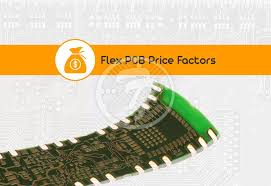
What are the benefits of flexible PCB fabrication?
There are a few issues that can arise with utilizing flexible printed circuit boards for critical applications. First, low-quality flex PCBs can introduce dangerous safety hazards that lead to malfunctions and equipment failure, which could put end users at risk of injury or even death. This can be especially devastating for companies who make safety-critical equipment, such as medical devices or aerospace equipment, and can tarnish their reputation. It can also result in costly repairs, lawsuits, compliance issues and lost customer trust.
Another potential issue is that the design and construction of flex PCBs can be complex, which can increase assembly and maintenance costs. This can be due to the fact that many standard soldering methods may not work with flexible circuits, or specialized connectors may be needed. Additionally, the flexibility of these circuits can strain the circuit and lead to failure if the board is handled improperly.
The good news is that these issues can be minimized by choosing a high-quality flex PCB from a trusted supplier. In addition to ensuring that all components are installed properly, a quality manufacturer can help you create a design that will maximize the benefits of a flex circuit. This can include incorporating dynamic flex connections that offer hundreds of thousands of flex cycle lifespans. They can also reduce the number of plated through hole vias placed in areas where the circuit is going to be bent.
Another advantage of a high-quality flex PCB is that it can save significant amounts of time and money during manufacturing, as they can be fabricated much faster than rigid boards, which will allow your product to get to market sooner. In addition, a quality flexible PCB can reduce the overall weight of your product, which will improve its efficiency and durability, as well as increase its portability and ease of use.