
rigid flex boards be folded or creased
Rigid flex boards offer more flexibility than rigid PCBs, and they can be folded or creased in order to achieve the desired configuration of an electronic device. Despite this, it’s important to keep in mind that flex circuit boards will be less reliable if they are repeatedly bent or creased over time. This is because the copper circuitry in a flex board is likely to work harden, which can eventually lead to cracking and other forms of mechanical failure.
To help avoid this, a stiffener can be added to the flex circuit board to provide additional stability and durability. Additionally, the thickness of the copper in a rigid flex circuit board should be adequate so that it can handle the bending process without becoming damaged.
Unlike traditional rigid flex board, which are made with epoxy, rigid flex boards are typically made with polyimide laminate materials. These materials are chosen for their exceptional strength and durability and have high thermal cycling resistance. This helps to reduce stress and fatigue on the components in a flex circuit board and ensures that it can continue functioning in harsh environmental conditions.
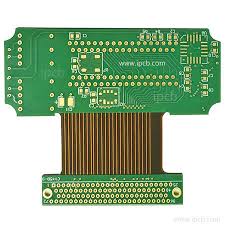
Can rigid flex boards be folded or creased?
The flex circuit boards are also produced using the same manufacturing methods as rigid PCBs, including drilling and chemically etching the copper surface for traces and vias. A photosensitive etch resist is coated on the surface, and a mask pattern is used to expose and develop it for chemical etching. Additionally, the flex circuit board is also finished with a protective coating to improve corrosion resistance.
Another common feature of rigid flex circuits is that they are often multi-layer, and they can be produced with different surface finishes. The most common finish is a green solder mask, which protects the copper from contamination and oxidation during assembly and soldering. Additionally, some manufacturers may add a silver sleeve to the top and bottom of the copper layer in a rigid flex circuit board to improve conductivity and eliminate electrical failure caused by oxidation.
One of the most important factors in determining whether a rigid flex circuit is right for your application is understanding how much it will cost. The complexity of a rigid-flex PCB design can significantly impact the price, and it’s important to work with a manufacturer that is familiar with this technology so that you can get an accurate quote. Other factors that can impact the cost of a rigid-flex PCB include the number of layers, the amount of selective plating, and the type of production panel you choose.
Rigid flex boards are an excellent option for applications that require a high level of reliability, durability, and flexibility. Examples of these include wearable electronics, military missile guidance systems, and video cameras. They can also be more efficient in terms of component density, which is especially important when space limitations and complexities are involved. Choosing the right manufacturing partner to build your rigid-flex board will make it easy for you to stay within your budget and meet your project goals.