
PCB flex rigid improve product durability
PCBs are the lifeblood of electronic devices. They power everything from wearable fitness trackers to aerospace machines, and their durability is essential to keeping these vital systems running smoothly. Unfortunately, many environmental factors can impact PCBs. These include vibration, high temperatures, and mechanical stress. This can result in signal degradation, impedance mismatches, and other reliability issues. High-quality rigid flex circuit boards can protect these critical components from damage and failure, even in the most challenging environments.
Rigid-flex PCBs are a great choice for many applications that require rigidity but need flexibility. These flexible circuit boards are designed with both rigid and flexible sections, allowing them to bend into tight positions and save space that would otherwise be occupied by cables or connectors. This can be especially useful in high-density assemblies where space is at a premium, such as in aerospace machines and medical equipment.
However, designing a pcb flex rigid requires special consideration. For example, determining the best placement of connectors to transition between the rigid and flexible sections is crucial to prevent mechanical stress that can cause failure. Additionally, ensuring that the layer transitions from rigid to flexible are properly executed can reduce electromagnetic interference (EMI) and signal degradation. Another common challenge is proper thermal management, as the combination of rigid and flexible materials can make it difficult to dissipate heat effectively.
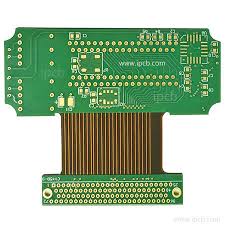
Can PCB flex rigid improve product durability?
The good news is that these challenges are easily overcome with careful design and manufacturing. By working with engineers and PCB manufacturing designers, manufacturers can optimize the layout of a rigid-flex circuit board to ensure that it meets both the mechanical and performance requirements of an application. The design process also involves selecting the right materials for both rigid and flex areas to improve reliability, durability, and performance.
For example, epoxies are commonly used in rigid-flex manufacturing due to their ability to withstand elevated and fluctuating temperatures. They also offer excellent chemical resistance and can be bonded to both rigid and flex areas of a circuit board. Additionally, rigid-flex circuit boards are often coated with protective films that can resist chemicals, oils, hydrocarbon solutions, and other environmental contaminants.
Rigid flex circuit boards are ideal for many high-reliability applications that require both rigidity and flexibility. They are commonly found in applications that handle large currents and generate significant amounts of heat, such as high-speed data communication, industrial equipment, and power electronics. They can also withstand extreme vibrations that can cause other PCBs to fail.
In addition to addressing the challenges mentioned above, rigid-flex circuit boards must undergo rigorous testing and verification processes. These procedures are essential to certify that the rigid-flex board is fully functional and reliable. These tests can also identify potential flaws in the design that may compromise the integrity of a product, such as the use of the wrong materials for the rigid and flex sections or the placement of connectors too close to the bending region. This can ultimately help to avoid unplanned costs and delays during the production process.