
Flex Circuit Boards Handle High-Density Components
In the electronics industry, flex circuit boards are used in a variety of products from laptops and tablets to smartphones, smartwatches, and even airplanes and unmanned vehicles. They offer several advantages over traditional rigid or wire harnesses, including lower inductance and simpler assembly times. Additionally, a flexible circuit board can save up to 60% of the weight and space compared to a rigid or wire harness, making it more lightweight, less bulky, and more cost-effective.
However, can a flex circuit board handle high-density components? The answer depends on the specific requirements of each project. For example, a flex circuit can accommodate high-density components by using smaller copper traces that are easier to bend than standard rigid PCBs. It can also incorporate additional features to provide added support for the traces, such as teardrop annular rings and anchors encapsulated with coverlay to prevent trace lifting and pad peeling. A flex circuit can also utilize different copper thicknesses and use wider endings to facilitate soldering.
When designing a flex circuit, it’s important to choose the right raw material and stack up. These factors will determine the quality of the resulting product. Choosing the right copper foil material is crucial, as it will affect the conductivity and durability of the finished flex circuit board. In addition, the etching process will play an important role in the finished product. The etching process will determine the quality of the copper and the bond between the foil and the substrate, influencing the strength and longevity of the flex circuit.
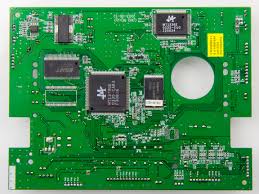
Can Flex Circuit Boards Handle High-Density Components?
Another important factor is the type of adhesive that will be used for the flex circuit board. In general, pressure-sensitive adhesives (PSA) are used to bind the flex circuit to its base. PSAs are typically available in a variety of thicknesses, which are related to the number of layers. For instance, thicker layers will require more adhesive to keep the components in place.
Rigid-flex circuits also need adhesive to bind the conductor and substrate materials together, which can affect their durability. Fortunately, manufacturers can extend the lifespan of their PCBs by chemically treating their copper foil. This process minimizes adhesion degradation, increases bond strength, and improves corrosion resistance.
In addition to enhancing the durability of a flex circuit, it’s also necessary to protect it against electromagnetic interference. Electromagnetic interference can damage or interfere with the operation of electronic devices, especially if the signals are transmitted through conductive lines. A flex circuit can be protected from electromagnetic interference by adding a shielding layer or incorporating conductive ink on certain areas of the flex circuit.
Another option to consider for a flex circuit is panelization. This technique enables the manufacture of multiple flex circuits in one large panel. This can expedite the assembly process significantly, especially in “pick-and-place” assembly. In addition, it can help reduce the overall costs of production. Nevertheless, it’s important to note that this option may increase the manufacturing time of your flex circuit, so it should be carefully considered before implementing.