
custom pcb more expensive than rigid ones
The cost comparison between custom PCBs and rigid ones is multifaceted, as it depends on various factors such as the complexity of the design, materials used, production volume, and specific requirements of the application. While custom PCBs may initially seem more expensive than rigid ones, there are scenarios where the opposite holds true, or where the benefits of custom PCBs justify the additional cost.
Custom PCBs are tailored to meet specific design requirements, offering flexibility in layout, functionality, and performance. This customization often involves specialized features such as complex routing, high-density interconnects, impedance matching, or multi-layered designs. The engineering expertise and resources required to design and manufacture custom PCBs can contribute to higher upfront costs compared to off-the-shelf rigid PCB solutions.
Additionally, the choice of materials used in custom pcb manufacturing can impact costs. Certain materials, such as high-frequency laminates or flexible substrates, may be more expensive than traditional FR-4 fiberglass for rigid PCBs. The use of advanced materials and manufacturing techniques to meet stringent performance or reliability requirements can result in higher material and production costs for custom PCBs.
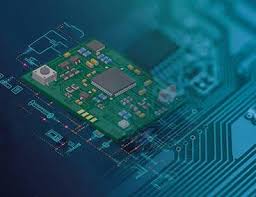
Are custom pcb more expensive than rigid ones?
However, it’s essential to consider the long-term benefits and cost savings associated with custom PCBs. Custom PCBs are often optimized for performance, reliability, and efficiency, which can result in reduced maintenance, fewer design iterations, and improved product lifespan. By tailoring the PCB design to specific application requirements, designers can eliminate unnecessary components, reduce material waste, and optimize production processes, ultimately lowering per-unit costs over time.
Furthermore, custom PCBs offer the advantage of scalability and adaptability to evolving design needs. While rigid PCB solutions may be more cost-effective for low-volume production runs, custom PCBs become increasingly economical as production volumes increase. Economies of scale can be achieved through batch manufacturing, bulk material purchasing, and process optimization, resulting in lower unit costs for custom PCBs in high-volume applications.
Another consideration is the potential for cost savings through integration and consolidation of functions on a single custom PCB. By combining multiple functions or components onto a single board, designers can reduce assembly time, minimize interconnects, and simplify the overall system architecture. This consolidation can lead to cost savings in terms of materials, assembly labor, and system integration, outweighing the initial investment in custom PCB development.
Moreover, the benefits of custom PCBs extend beyond cost considerations to include improved performance, reliability, and functionality. Custom PCBs can be optimized for specific operating conditions, environmental factors, or industry standards, ensuring compatibility and compliance with regulatory requirements. Enhanced signal integrity, thermal management, and mechanical stability contribute to the overall quality and longevity of electronic systems, offsetting the higher upfront costs associated with custom PCBs.
In conclusion, while custom PCBs may initially appear more expensive than rigid ones, the total cost of ownership must be evaluated in terms of performance, reliability, and long-term benefits. Custom PCBs offer tailored solutions that can optimize performance, reduce maintenance, and enhance product lifespan, ultimately delivering greater value and cost-effectiveness over time. By weighing the advantages of customization against the upfront costs, designers can make informed decisions that align with the specific requirements and priorities of their projects.