
Rigid-Flex Electronic PCB Boards
Rigid flex electronic PCB boards offer design flexibility and durability to meet the needs of various applications, environments, and industries. They are often used in the manufacturing of handheld thermal scanners, automotive systems, aerospace technology, and medical devices as well as in consumer electronics, telecommunications, and computing. A rigid flex circuit board can deliver a wide range of benefits, including increased reliability and functionality, cost savings, and improved assembly processes.
The combination of rigid sections and flex sections in a single board allows manufacturers to create compact electronic products with the required strength, high-speed capabilities, and reliability to meet demanding industrial applications. Rigid flex electronic pcb board can also offer enhanced current carrying capacity compared to traditional rigid PCB designs, which can lead to greater product efficiency and lifespan.
In addition to the ability to fit components into tight spaces and achieve unique form factors, rigid flex PCBs can also help engineers save on production costs by reducing the number of parts and connectors needed. This can lead to significant cost savings in the long run for businesses in a variety of sectors.
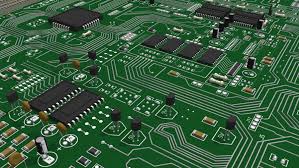
Advantages of Rigid-Flex Electronic PCB Boards
Using a rigid-flex PCB reduces assembly times because the connections between the component pins are made through conductive traces on the flexible section of the board, rather than with wired cables or connectors. In the end, this can also result in a more robust and durable finished product that is less prone to damage from vibrations, shocks, and other environmental stressors.
In contrast, the use of wired interconnects in a rigid-flex circuit board increases the number of potential points of failure for a device during operation. These could cause dangerous or even disastrous consequences in critical applications like medical devices and military equipment.
To reduce the risks of such failures, a rigid-flex PCB uses an integrated, high-performance interconnect solution that can be fabricated without the need for connecting cables or connectors. This eliminates the risk of failure from loose wires or contact crimps and reduces the weight of the device, improving its reliability and durability.
As a complete circuit on its own, a rigid-flex PCB is also much easier to test than a similar product with wired connections. This makes it easy to automate the process of testing all the logical connections and ensures that all of the components are properly connected, which can save time and money in the long run. The reduced need for wires and connectors will also reduce the overall amount of materials that are required to produce each unit, which can have knock-on effects in terms of lowering production costs and cutting down on waste.