
manufacturing flexible circuit boards
The materials used in manufacturing flexible circuit boards have a significant impact on the performance of the final product. They must be able to withstand fluctuations in temperature and movement. They must also be able to resist chemical exposure. Additionally, they must be able to hold the components of the circuit in place and prevent copper migration.
The primary material for flexible circuit board is a polyimide film. These films are incredibly thin and can be made with different layers. The conductive material is then etched in these layers. This process uses high-temperature chemicals and solvents. The resulting material is highly durable and can be used in harsh environments. It is also much less expensive than epoxy resin.
Flexible circuits are a good option for many applications because of their lower cost and weight. In addition, they can be easily molded into the desired shape of the finished product. They can also reduce the number of wiring errors, which can increase reliability. In addition, a flex PCB can also reduce the amount of space required for a circuit.
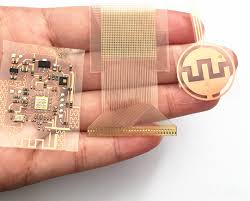
What materials are used in manufacturing flexible circuit boards?
Stiffeners are often added to flexible circuits for strength and durability. They can be made from various materials, including PI and FR4. These stiffeners are laminated on the flex circuit to provide support where it is needed. Stiffeners can also be made from stainless steel or aluminum, which adds more heat resistance to the board.
For dynamic flex circuits, the core layer is usually rolled annealed copper. The thickness of the copper depends on the design of the circuit board. Adhesive-based cores are thicker than adhesive-less ones, but they offer better controlled impedance signals. The latter are especially useful for applications in which the board will be subjected to vibrations or sudden movements.
Another important factor to consider is the type of etching process used on the core layer of a flex circuit. The copper must be deposited in an even layer to ensure proper conductivity. This is why it’s crucial to have an experienced manufacturer handle the entire production process. This way, you’ll be assured of getting a reliable flex circuit that will perform as intended in the field.
The adhesives used in flexible circuit board production depend on the type of film substrate. Acrylic adhesives are cheaper, but they do not have the quality of epoxy resin when it comes to bonding copper and metal foil. They also have poor thermal expansion properties. In conclusion, the materials used in flexible circuit boards must be able to withstand the fluctuating temperatures, constant movement, and vibrations of a final product. It is also important for them to have a low coefficient of thermal expansion and excellent electrical and insulation properties.
When choosing a manufacturer for your flexible printed circuit board, it’s essential to choose one with the right experience and equipment. This will help ensure that the entire production process is handled properly and within a short timeframe. You’ll also want a company that offers a wide range of services, including assembly and test.